
When Strength Weighs Just 2 Grams: The New Era of Titanium Denture Frameworks
When Strength Weighs Just 2 Grams: The New Era of Titanium Denture Frameworks
At CertainTeed Lab, we continually evaluate how emerging manufacturing technology can improve both clinical outcomes and patient comfort. As metal 3D printing becomes more refined and restorative materials continue to evolve, removable denture design is entering a new phase. The conversation is no longer centered solely on durability — it is increasingly focused on how lightweight, highly comfortable solutions can be achieved without compromising mechanical safety.
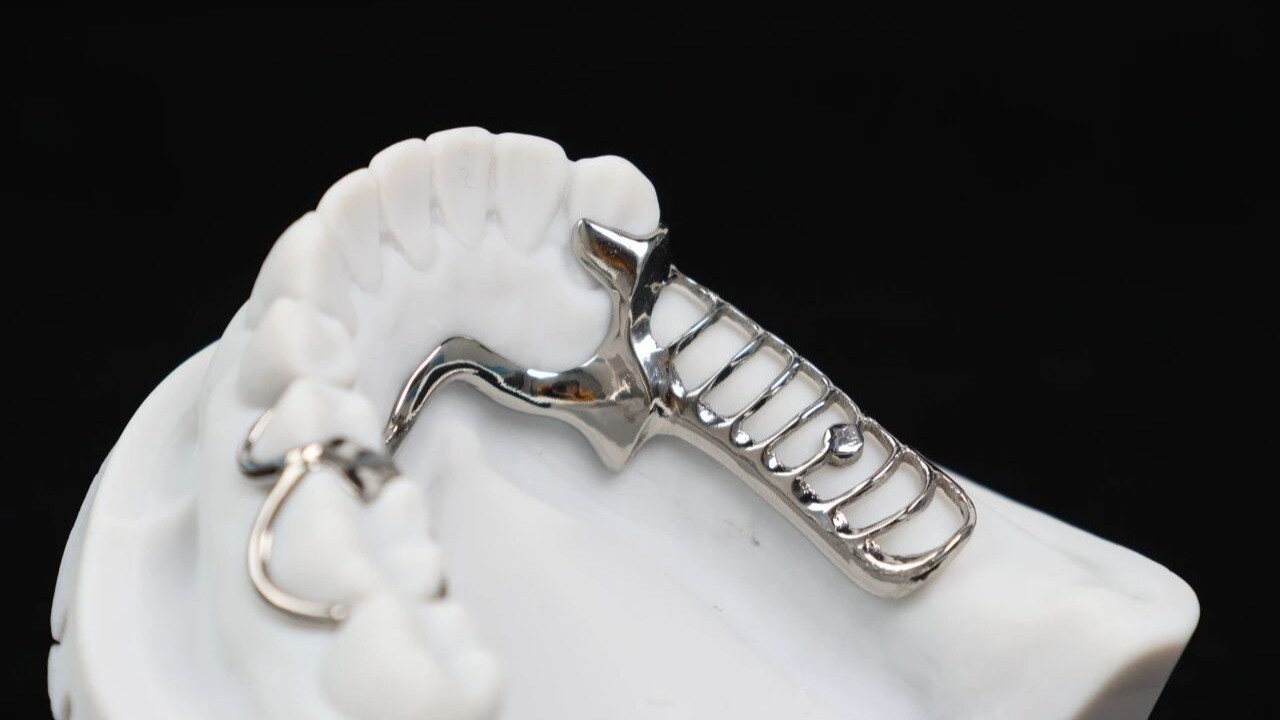
A recent case provides a clear example of this progress. A titanium framework weighing only 2 grams highlights what is now achievable with current technology.

Lightweight design is more than simply “using less material.”
True lightweight engineering is about rethinking the entire structure and design philosophy, not just thinning components.
From a clinical standpoint, this case offered excellent conditions for optimization: minimal abutment tooth loss and sufficient lingual vestibular depth. With these anatomical factors in mind, our design team selected a lingual bar configuration and strategically positioned it away from the gingival margin. This approach helped reduce soft-tissue pressure while still allowing effective self-cleansing and long-term hygiene performance.
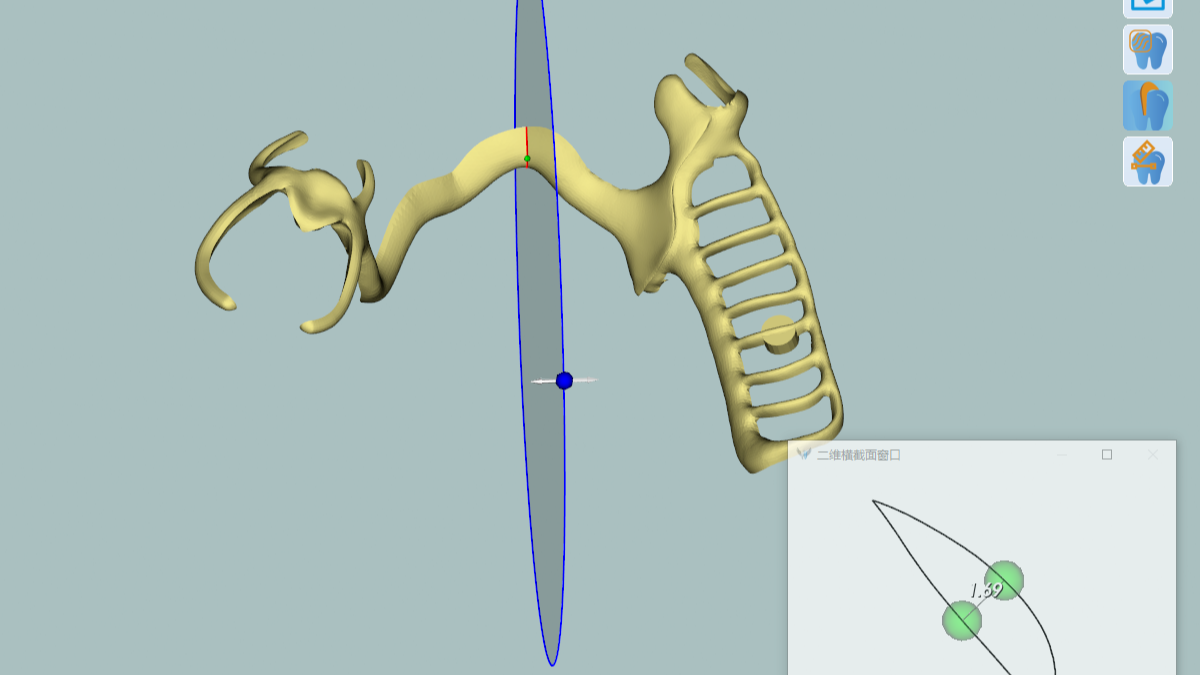
Noticeable reduction in foreign-body sensation for the wearer.
Within established mechanical safety tolerances, the lingual bar was further refined for slimness, with the final thickness controlled at 1.69 mm. The result was a noticeable reduction in foreign-body sensation for the wearer. For patients, this translates into faster adaptation and improved day-to-day comfort. For clinicians, it represents meaningful progress in balancing structural strength with real-world wearability.
Importantly, this level of “lightness” is not achieved by simply removing metal.
It is built upon a systematic understanding of structure, load distribution, and real-world functional scenarios.

Titanium adoption is increasing — but expertise still matters.
As advanced metal 3D printing systems become more accessible across the industry, titanium is appearing more frequently in dental restorations. While the technology barrier may seem lower at first glance, there remains a significant difference between being able to print titanium and being able to produce it reliably, consistently, and predictably for removable prosthetics.
Titanium demands extremely precise control over printing parameters, laser energy management, forming stability, and post-processing consistency. These requirements become even more critical in lightweight, thin-wall frameworks, where even minor deviations can influence strength, fit accuracy, and long-term durability. This is why titanium fabrication has historically been regarded as a technical challenge within dental manufacturing.
At CertainTeed Lab, our ability to deliver ultra-light titanium frameworks is supported by advanced 3D printing equipment, intelligent design software, and standardized digital workflows. From early adoption of titanium printing systems to the continual validation of design protocols through thousands of completed cases, lightweight design is not the result of a single setting adjustment — it is the outcome of an integrated, high-precision manufacturing ecosystem.
The future of removable prosthetics is not only stronger.
It is lighter, smarter, and significantly more comfortable for the people who wear them every day.
